Helm Street Kindergarten
Enrolment: City of Greater Bendigo
City of Greater Bendigo manages enrolments for this service. Phone 03 5434 6352. Email kinder.enrolments@bendigo.vic.gov.au.
Visit City of Greater Bendigo →
Sessions
Group 1
Group 2
Philosophy
Relationships are critical for brain development and emotional development.
Relationships motivate, inspire and build trust and care and commitment.
Relationships are the fundamental element of what it means to be human.
At our preschool we use the Kathy Walker approach as an integral part of our Philosophy.
This means we provide a sense of wonder, exploration, investigation and interest in a rich range of materials, resources and opportunities in which each child can engage.
We do this by:
- By being with the children and engaging in authentic conversation with them; being in the moment with them; children share their exploration and wonder.
- We use intentional teaching through play ensuring that we acknowledge where your child is developmentally and in the learning. We engage children in a learning experience that is open ended and focused on skill acquisition and process through our intentional and engaging environment.
Relationships before:
Routines, portfolios, learning stories and documentation.
- Personalising learning for every child – honouring and respecting each individual and understanding their stage of development – personalise the learning so that each child is able to develop social, emotional, academic and executive functioning skills through a pedagogy that embeds open –ended play experiences.
- Intentional teaching through play
- Where is your child developmentally and in their learning?
- What is next for your child?
And - How do I engage your child in a learning experience that is open-ended and focused on skill acquisition and process (not outcome)?
We create a intentional and engaging environment – this requires expertise, knowledge and skill of how the learning environment is the third teacher and is a critical component of early childhood education.
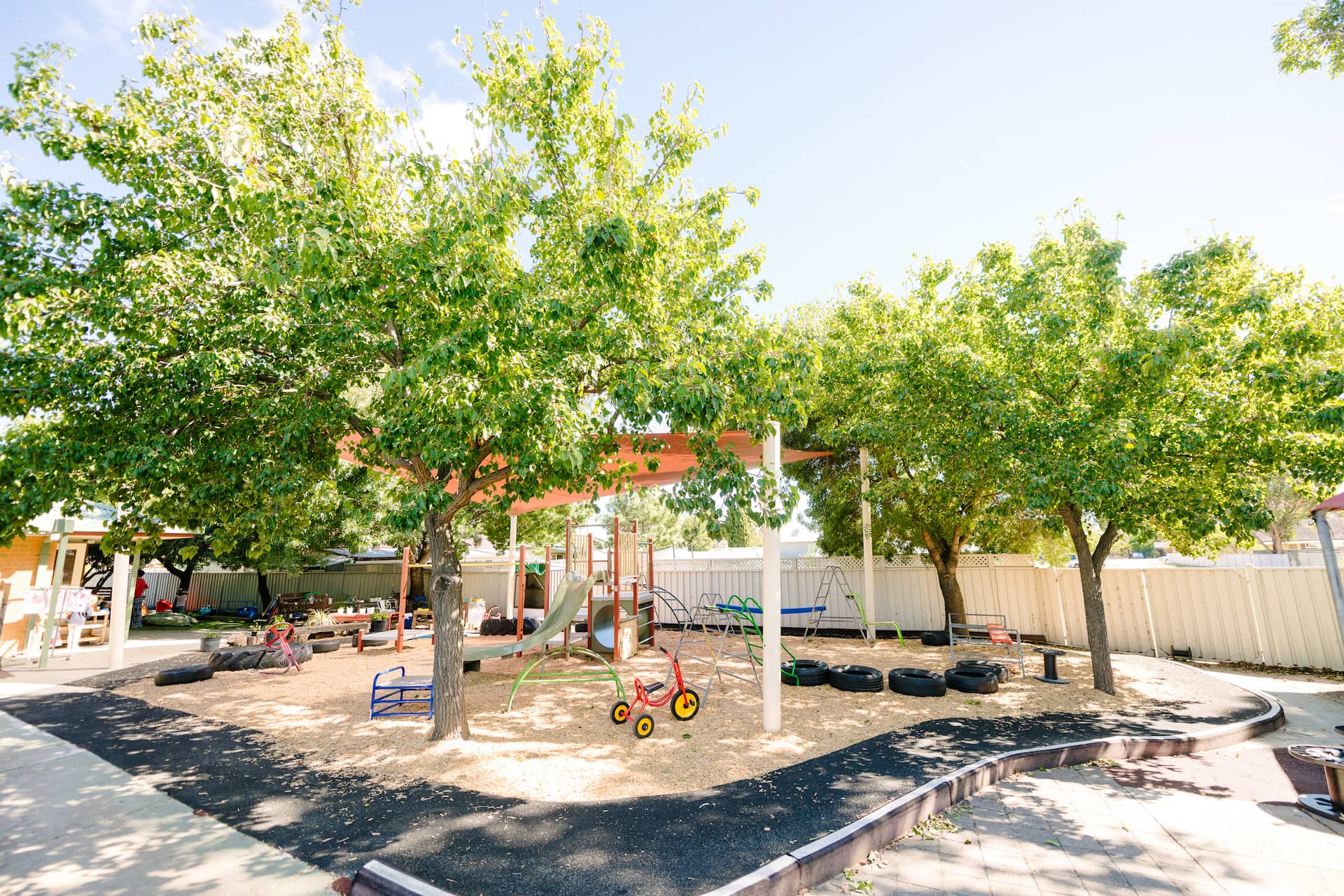
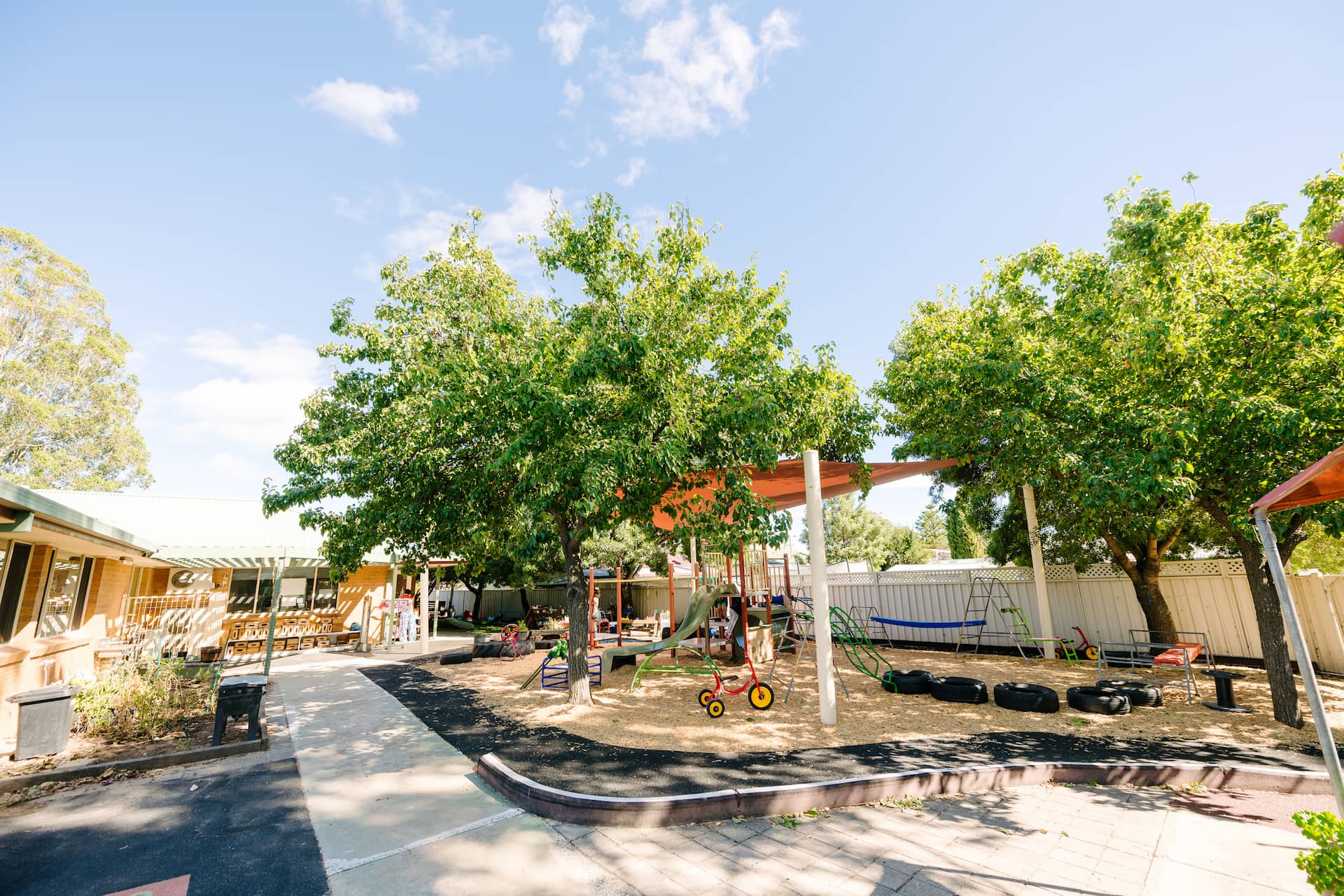
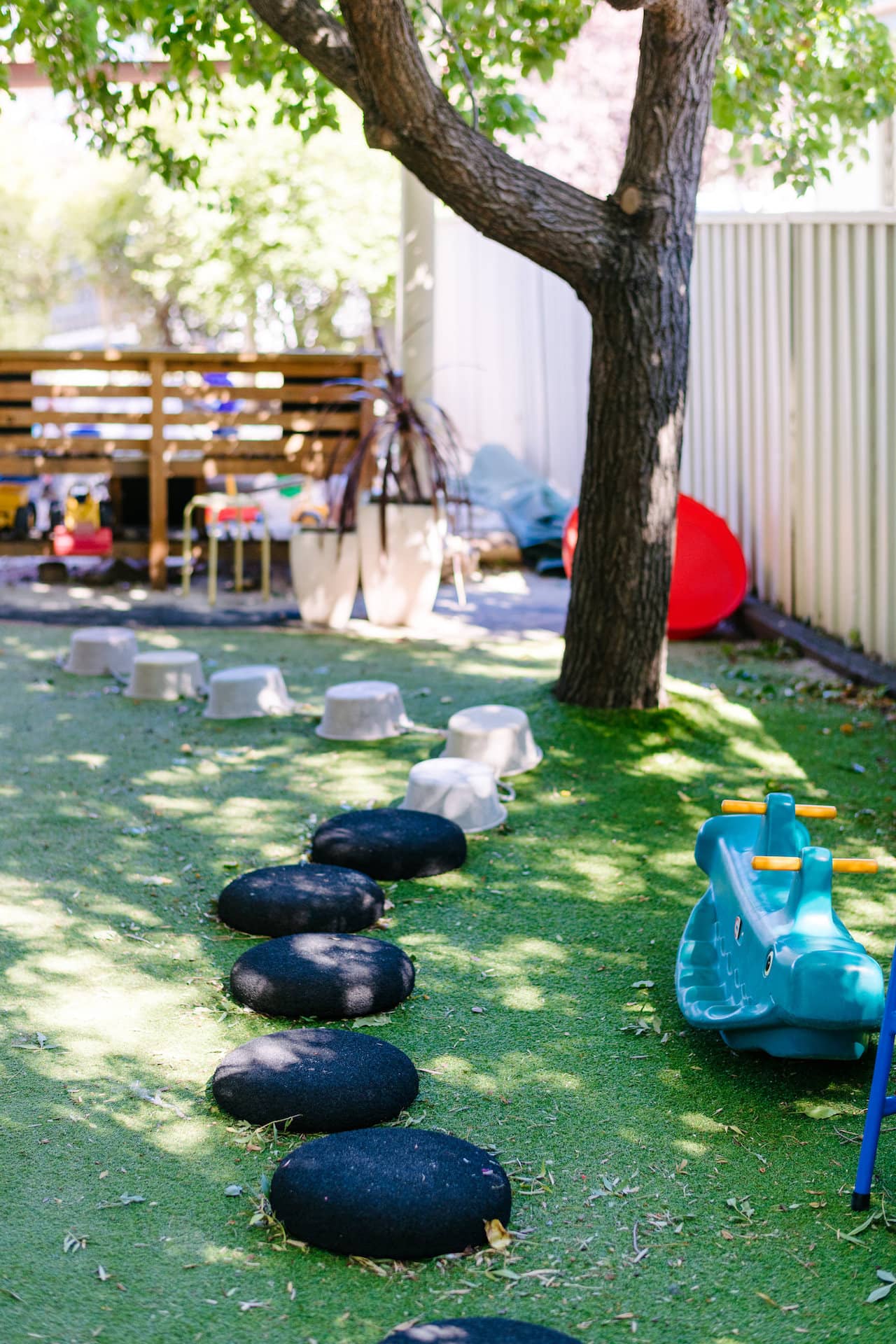
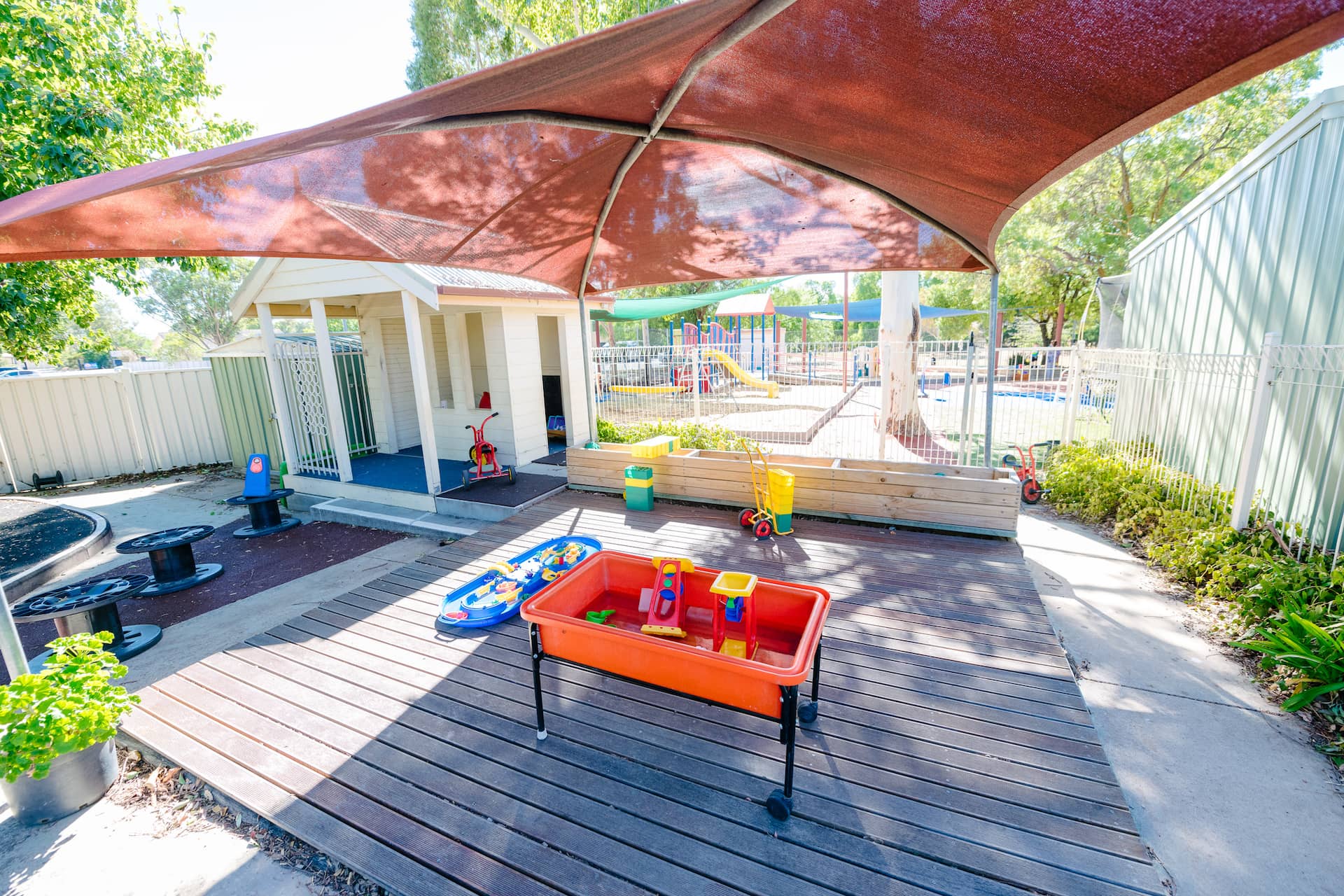
Areas are provided in the learning space both in and outdoors –
An invitation to engage
Reflects interests, strengths and needs
Promotes belonging
This gives the children opportunities to
Self regulate
Become independent
Work with others
Development intentions – learning intentions – children’s interests – community interests = learning environment
Contained and defined spaces
Dramatic play
Sensory
collage
Literacy – reading and writing
Construction
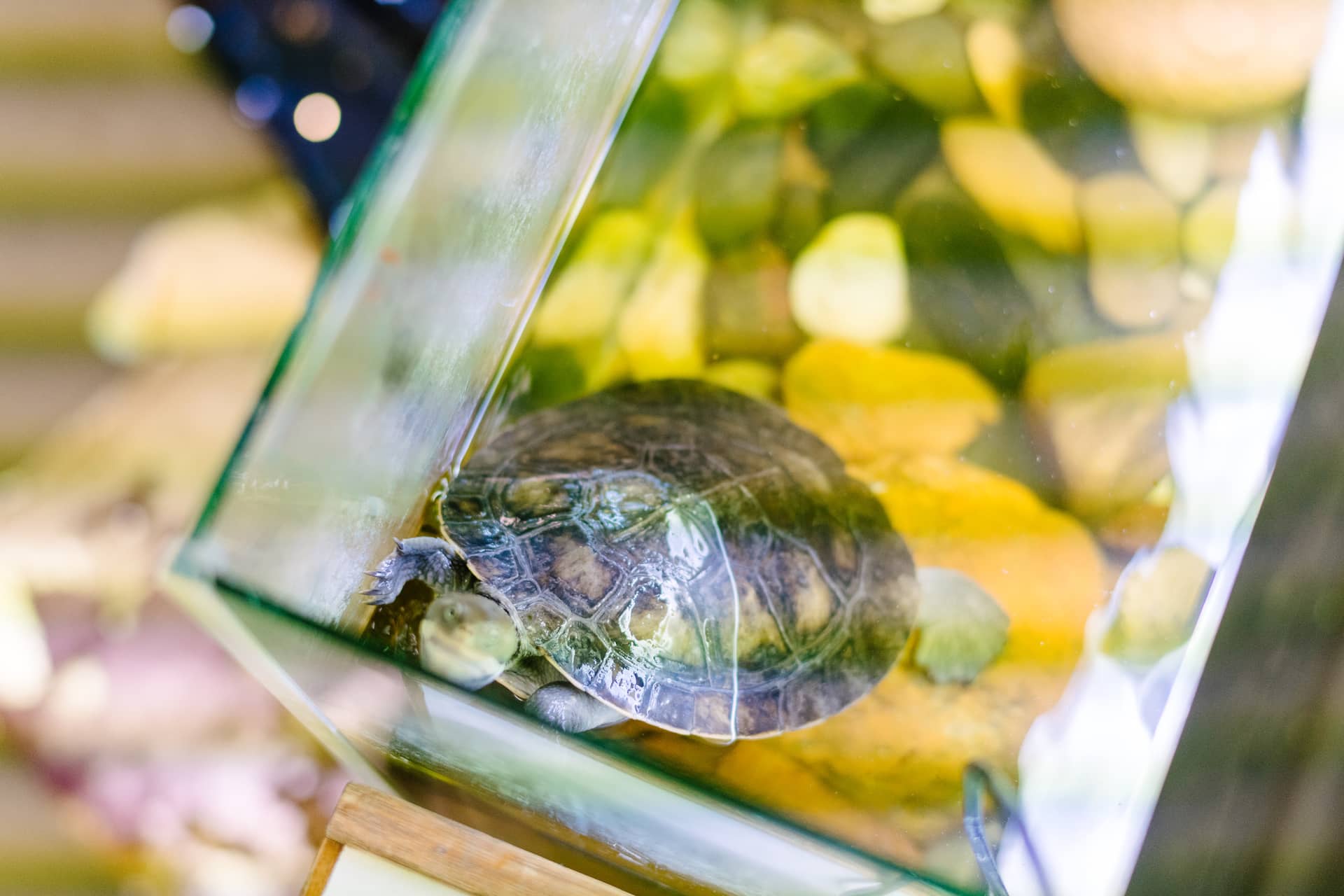
Science and nature
Tinkering
Painting and drawing
Numeracy
Provocations
Interests and culture part of play areas but not starting point or focus
Free to choose where they work/explore
Play is a process
It promotes
oral language – through engagement,conversation
Social skills- through role play, problem solving, negotiating, listening
Thinking processes – decision making, self regulation, lateral thinking, reflecting , resilience…
Watch a tour
Gallery